
Essential Tips for Successful Fence Installation
Installing a fence can greatly enhance your property's privacy, security, and curb appeal. Whether you opt for Residential fences to protect pets or choose privacy fencing to create a peaceful outdoor retreat, understanding the Fence installation process is key. A well-installed fence adds value, defines your space, and boosts aesthetics.
This guide outlines key tips and considerations-from planning to maintenance-to help you achieve a successful fence installation.
Understanding Your Needs Before Installing a Fence
Before beginning any project, identify your primary purpose for installing a fence. Ask yourself:
-
Do you want privacy?
-
Do you need added security?
-
Is aesthetics your main priority?
-
Are you trying to contain pets or children?
Your answers will guide your material choice, design selection, and budget.
Types of Residential Fences
Choosing the right fence type ensures you get the functionality and style you need.
1. Wooden Fences
-
Great for privacy and classic appeal
-
Highly customizable in height & style
-
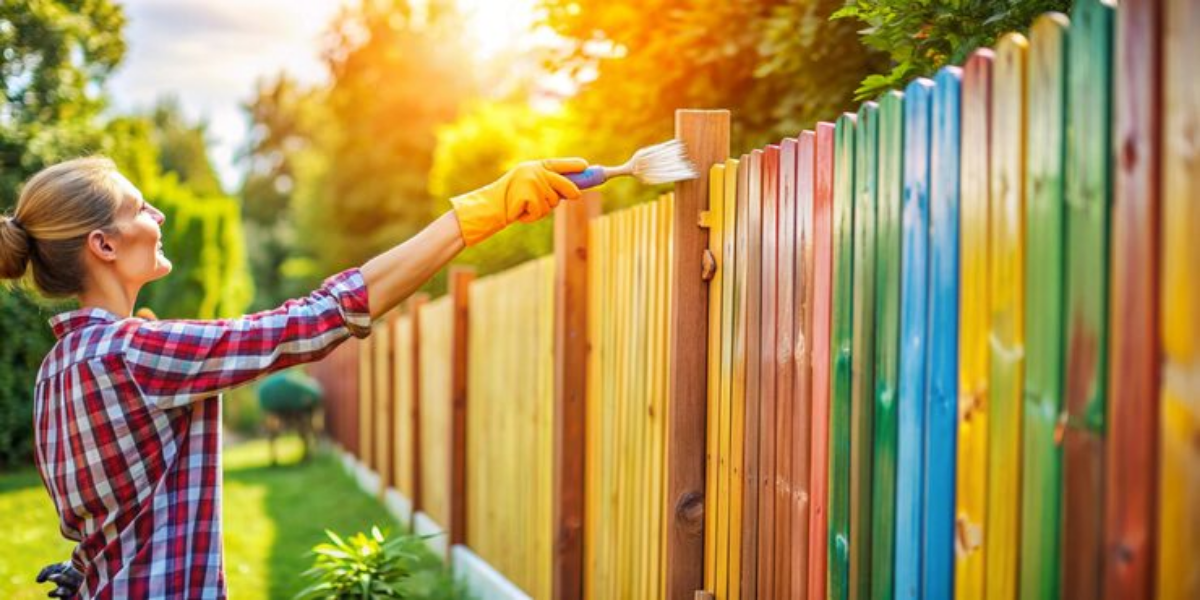
Require routine staining/painting to prevent rot
2. Vinyl Fences
-
Low maintenance
-
Rot- and insect-resistant
-
Available in many colors & styles
3. Chain-Link Fences
-
Cost-effective & durable
-
Ideal for security and large properties
-
Offers limited privacy
4. Wrought Iron Fences
-
Elegant and secure
-
Strong, long-lasting
-
Needs periodic paint to prevent rust
Selecting the right material helps ensure your fence aligns with your lifestyle, long-term maintenance needs, and budget.
Planning and Designing Your Fence Project
A successful fence installation starts with proper planning.
Verify Property Lines
Check your plat map or hire a surveyor. Misplacing a fence onto a neighbor’s property can lead to disputes and expensive corrections. Open communication with neighbors is always beneficial.
Check Local Building Codes
Your city may regulate:
-
Fence height
-
Materials allowed
-
Setback requirements
-
Permit rules
Check with your zoning office to avoid fines or removal orders.
Choose a Functional and Aesthetic Design
Consider:
-
Fence height
-
Gate placement
-
Color & materials
-
Decorative elements
A thoughtful design ensures your fence complements your home and serves its purpose.
Budgeting for Fence Installation
Budgeting plays a critical role in the overall project.
Material Costs
-
Wood & vinyl: higher cost but great privacy
-
Chain-link: budget-friendly but less aesthetic
Include long-term maintenance in your calculations.
Labor Costs
Professional Fence installation costs more but ensures quality and code compliance-often with warranties.
Additional Costs
-
Permits
-
Tools
-
Paint, stain, or sealant
-
Concrete
-
Repairs or future upkeep
DIY vs. Professional Installation
Choose DIY if you:
-
Have basic carpentry skills
-
Own or can rent necessary tools
-
Want to save labor costs
Choose professional installation if you:
-
Want long-lasting structural quality
-
Prefer a hassle-free experience
-
Need guaranteed workmanship
Preparing Your Site for Fence Installation
Preparation prevents common mistakes and delays.
Essential Tools and Materials
-
Post hole digger
-
Level
-
Hammer
-
Measuring tape
-
Concrete mix
-
Stakes & string
Having everything ready beforehand ensures a smooth build.
Importance of Accurate Measurements
Use stakes and strings to outline the fence line. Double-check:
-
Straightness
-
Post spacing
-
Gate placement
Proper measurement prevents uneven panels and alignment issues.
Digging Post Holes Correctly
General rule:
Hole depth = one-third of the post height
Consider soil and weather-windy regions or sandy soil may require deeper holes for stability.
Step-by-Step Fence Installation Process
1. Set Corner and End Posts
-
These guide the rest of the fence
-
Secure in concrete
-
Use a level to ensure they’re perfectly vertical
-
Let concrete cure fully
2. Install Horizontal Rails
-
Attach rails between posts
-
Ensure level and evenly spaced
-
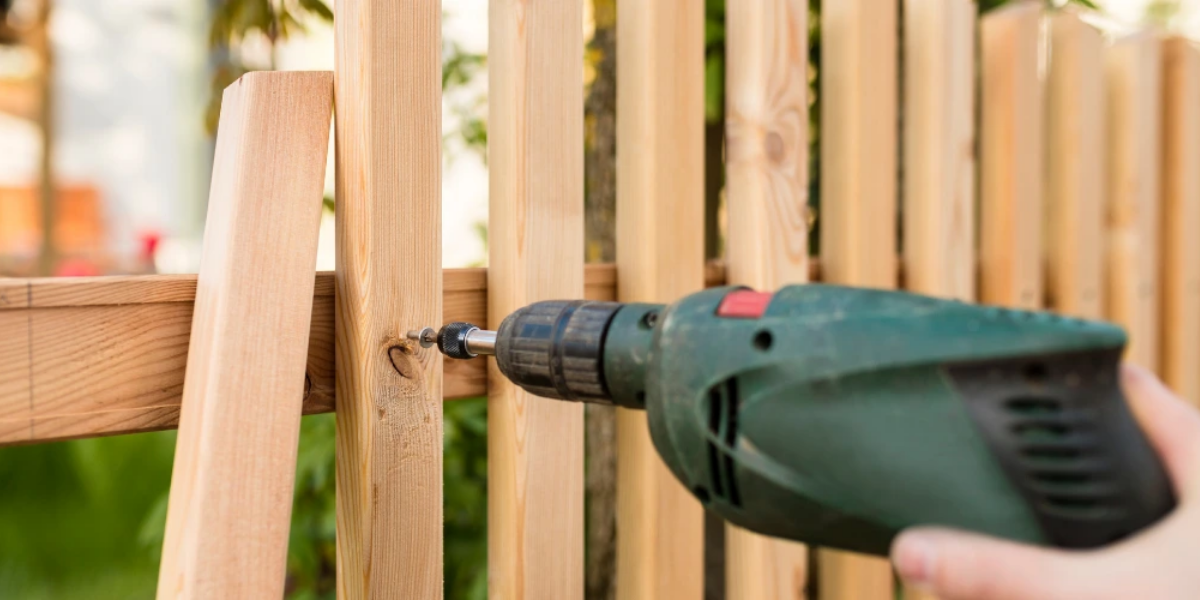
Pre-drill to avoid splitting wood
3. Attach Panels or Pickets
-
Keep panels aligned
-
For privacy fencing, eliminate gaps
-
Secure tightly to prevent sagging
Adding Finishing Touches
Enhance durability and appearance by:
-
Painting or staining
-
Adding post caps
-
Installing solar or LED lighting
-
Including decorative toppers
These elements turn a functional structure into an attractive feature.
Fence Maintenance Tips
To extend your fence’s lifespan:
-
Inspect regularly for rot, damage, or rust
-
Repaint or stain when needed
-
Tighten loose fasteners
-
Replace broken or warped pickets
Routine care helps your fence remain safe, beautiful, and sturdy.
Conclusion
A well-installed fence offers privacy, security, and lasting curb appeal. By assessing your needs, planning carefully, budgeting wisely, and following proper installation and maintenance steps, you can ensure a beautiful and durable fence for years to come. Whether DIY or hiring professionals, these essential tips guide you toward a successful fence installation.
Read this- Siding Contractors In USA
Q&A Section
Q: How do I choose the right fence type for my needs?
Short answer: Identify your primary goal-privacy, security, style, or containment. Wood offers privacy, vinyl offers low maintenance, chain-link is affordable, and wrought iron is elegant and secure.
Q: What should I check to avoid neighbor or legal issues?
Short answer: Verify property lines using maps or a surveyor. Check local codes for restrictions and permits. Inform neighbors to maintain good relations.
Q: How should I budget for a fence project?
Short answer: Consider materials, labor, and extras. Include long-term maintenance, permits, stain/paint, and tools. Professional installation adds cost but guarantees quality.
Q: What preparation is essential before digging post holes?
Short answer: Gather tools, mark fence lines with stakes and string, double-check measurements, and dig holes one-third the height of your posts (adjust for soil and weather).
Q: What are the key installation steps?
Short answer: Set corner/end posts in concrete, attach level rails, install pickets/panels, then finish with staining/painting and decorative touches. Maintain regularly by checking for damage and tightening fasteners.